Spray Foam Insulation Pros and Cons
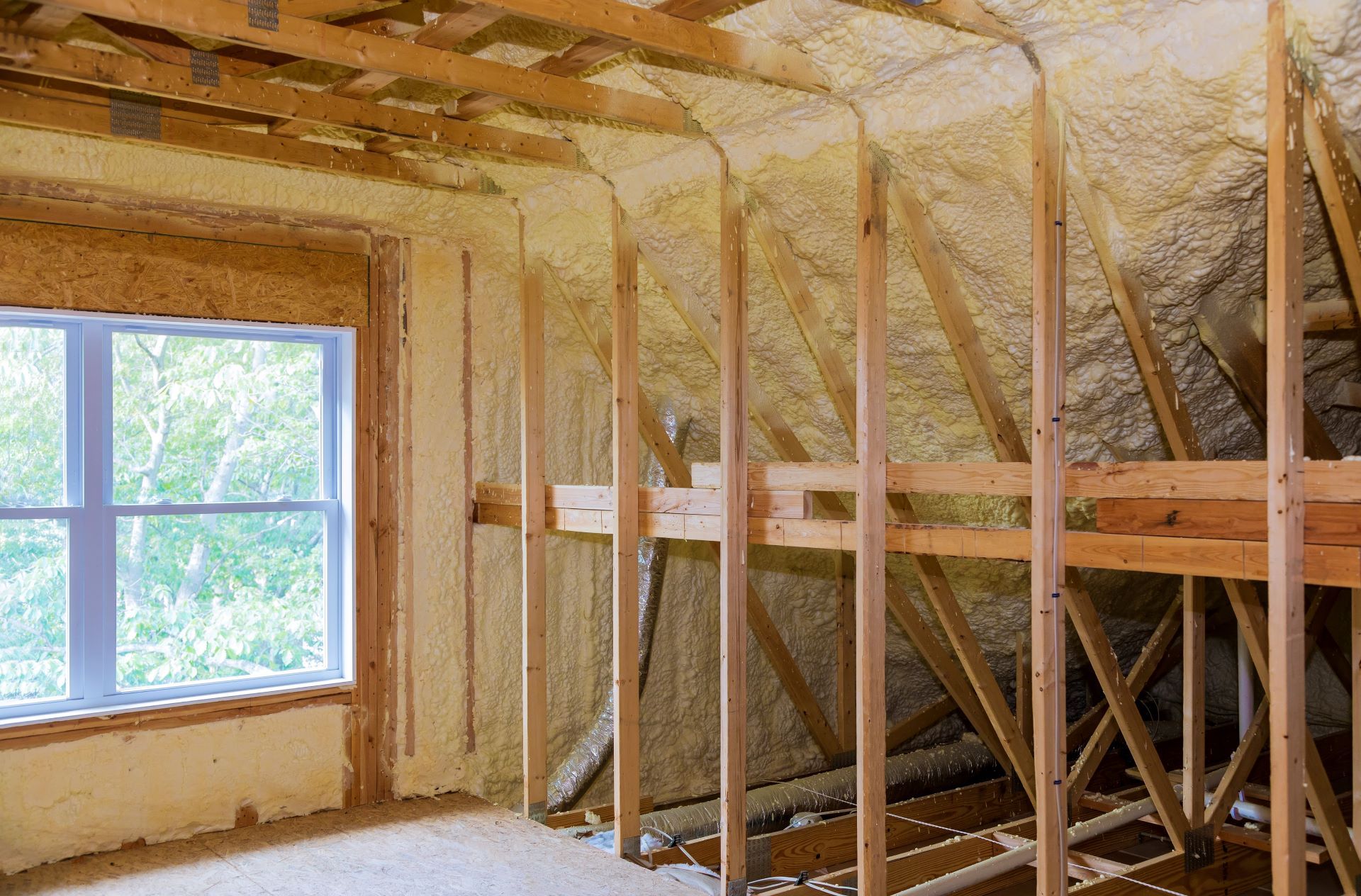
Spray foam insulation has become one of the most talked about insulation options for modern homes. Many homeowners consider it because of its strong air sealing ability and energy efficiency. At the same time, spray foam insulation comes with higher costs and installation considerations that should be understood before making a decision.
If you are researching insulation options for your home, understanding both the advantages and the potential drawbacks can help you choose the best solution for your space. Spray foam can deliver excellent performance in the right situations, but it is not always the best fit for every home or budget.
Below is a clear breakdown of the main pros and cons of spray foam insulation so you can make a confident decision.
High Upfront Costs Explained
One of the most common concerns homeowners have about spray foam insulation is the initial cost. Compared to traditional insulation materials like fiberglass or cellulose, spray foam typically requires a larger upfront investment.
Why Spray Foam Costs More
Several factors contribute to the higher price of spray foam insulation:
Specialized equipment
Spray foam requires professional equipment that mixes and applies the insulation as a liquid before it expands and cures.
Professional installation
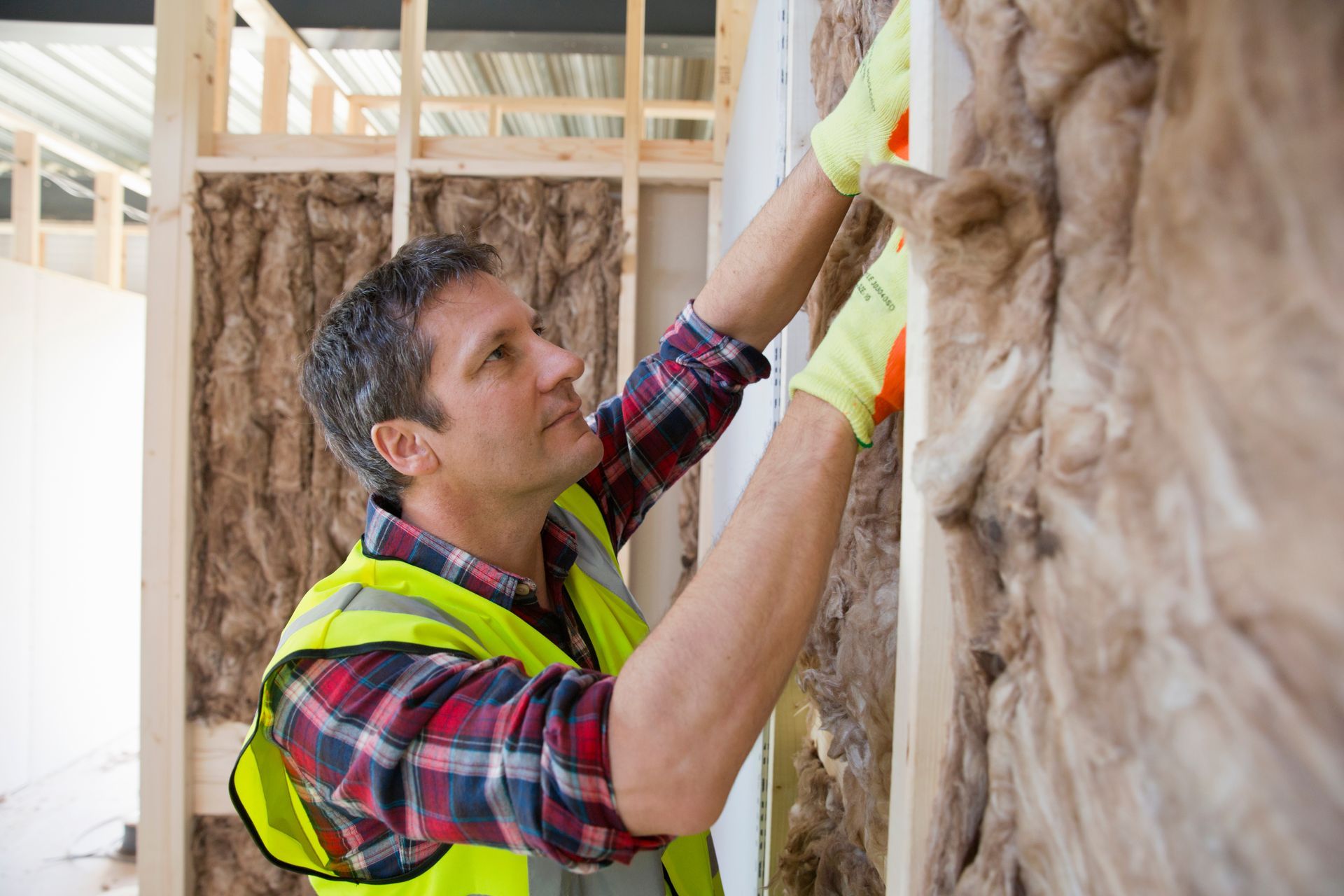
Unlike fiberglass batts or blown in insulation, spray foam must be installed by trained professionals to ensure proper mixing and application.
Material cost
The chemicals used to create spray foam insulation are more expensive than traditional insulation materials.
Typical Cost Comparison
While pricing varies depending on the home and project size, spray foam insulation generally costs more than other insulation types such as fiberglass batts or blown-in cellulose insulation.
Many homeowners consider the higher upfront cost worthwhile because spray foam can reduce air leakage and improve overall energy efficiency. Over time, lower heating and cooling costs may offset part of the installation cost.
Still, for some homes, other insulation options may provide a more practical balance between cost and performance.
Installation Challenges & Safety
Spray foam insulation is not a do it yourself product. Proper installation is essential for safety, performance, and long term results.
Why Professional Installation Matters
Spray foam insulation is created when two chemical components mix and expand. If the mixture is not balanced or applied correctly, problems can occur.
Possible issues from poor installation include:
- Incomplete curing
- Strong odors
- Uneven expansion
- Gaps in insulation coverage
- Reduced insulation performance
Experienced installers use proper techniques to ensure the foam expands correctly and forms a consistent air seal.
Temporary Ventilation During Installation
During installation, the chemicals used to create spray foam release vapors while curing. Because of this, installers typically recommend that homeowners and pets stay out of the home for a short period during the installation process.
Proper ventilation and curing time help ensure the insulation stabilizes safely before normal occupancy resumes.
Structural Expansion Concerns
Spray foam expands quickly after application. In rare cases, improper installation can create excessive pressure inside wall cavities. Professional installers carefully control the amount of foam applied to avoid these problems.
When installed correctly, spray foam insulation forms a durable and stable barrier that can last for many years.
Long Term Issues and Removal Costs
Another factor homeowners should understand is that spray foam insulation is designed to permanently adhere to surfaces such as wood, drywall, and roof decking.
While this strong bond provides excellent air sealing benefits, it can also create challenges later if insulation needs to be modified or removed.
Difficult Removal
Removing spray foam insulation can be labor intensive. Because the foam sticks tightly to surfaces, removal often requires mechanical scraping or cutting.
This process can increase labor costs if future renovations require insulation removal.
Inspection and Repair Challenges
Spray foam insulation fills cavities and tightly seals surfaces. While this improves energy performance, it can sometimes make certain inspections more difficult.
For example:
- Roof deck inspections
- Electrical modifications
- Plumbing adjustments
Professional contractors can usually work around spray foam insulation, but the process may require additional effort.
Moisture Considerations
Closed cell spray foam creates a strong moisture barrier. In most cases this helps prevent air leaks and condensation problems. However, in some building assemblies moisture management must be carefully planned.
This is why proper installation and building design are important when using spray foam insulation.
Comparing with Other Insulation Types
Spray foam insulation is only one of several insulation options available to homeowners. Comparing it with other materials can help clarify when it makes the most sense.
Spray Foam vs Fiberglass Insulation
Fiberglass insulation remains one of the most widely used insulation materials in residential construction.
Advantages of fiberglass
- Lower installation cost
- Widely available
- Easy to replace or upgrade
Advantages of spray foam
- Creates an air seal
- Higher R value per inch
- Expands to fill small gaps and cracks
Fiberglass slows heat transfer but does not seal air leaks. Spray foam can reduce air movement, which is one reason many homeowners consider it for
attics and crawl spaces.
Spray Foam vs Blown In Insulation
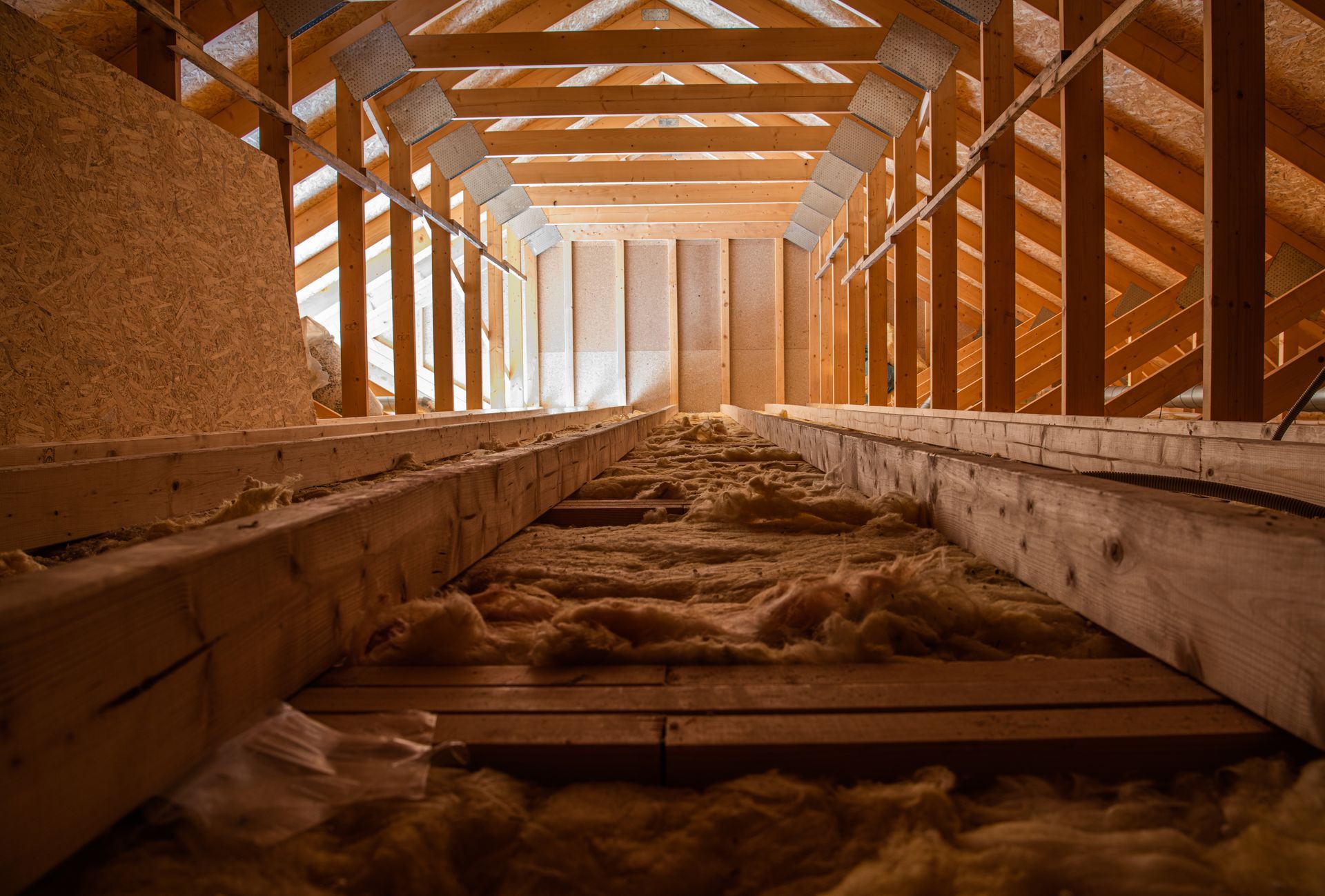
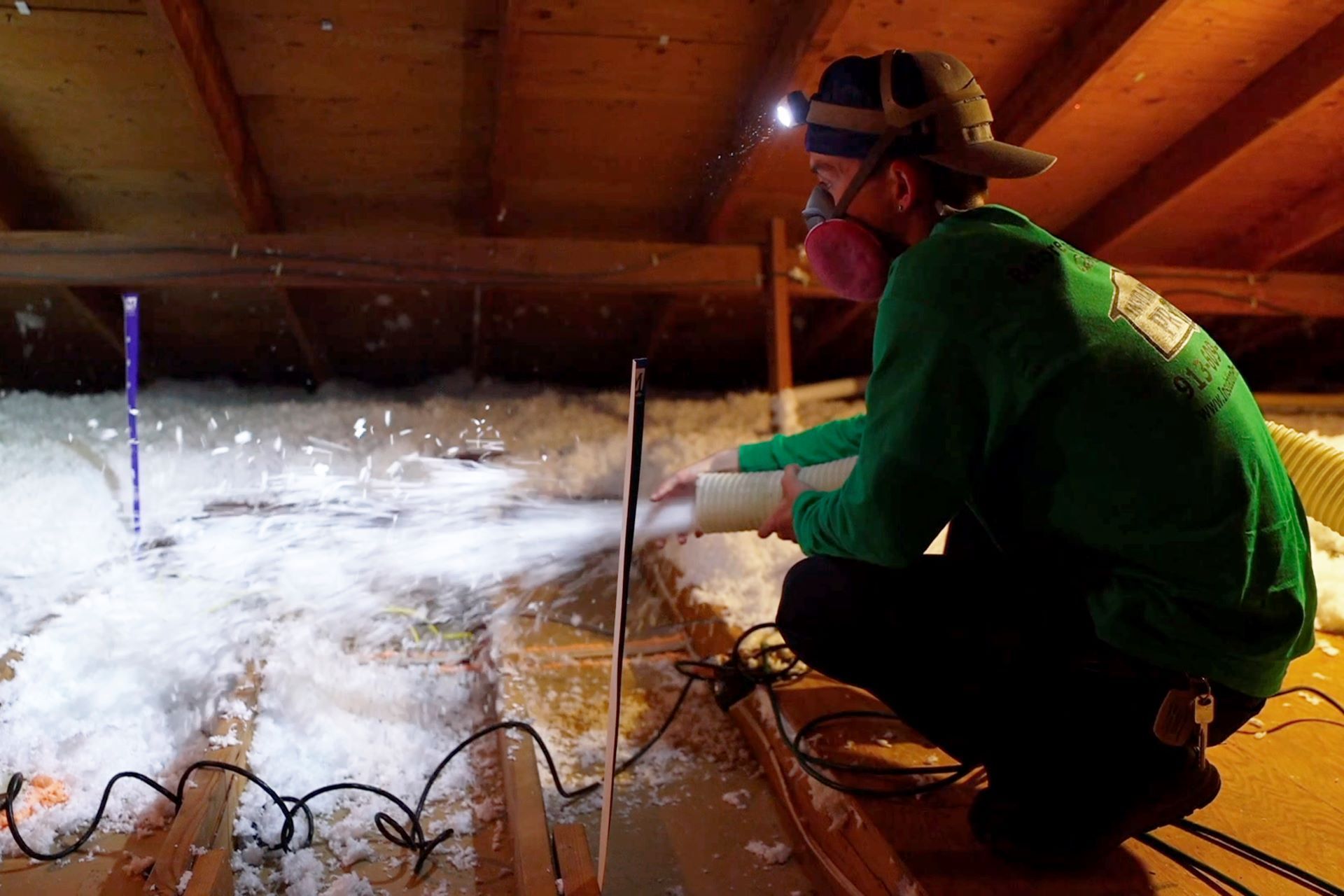
Blown in insulation, usually made from cellulose or fiberglass fibers, is commonly used for attic insulation upgrades.
Advantages of blown in insulation
- Lower installation cost
- Fast installation
- Works well for attic floors
Advantages of spray foam
- Seals air leaks
- Adds structural rigidity in some cases
- Effective for irregular spaces
Blown in insulation can provide strong thermal protection at a lower cost, while spray foam focuses more on air sealing performance.
Choosing the Right Insulation
The best insulation option often depends on several factors including:
- The age of the home
- Existing insulation conditions
- Budget
- Energy efficiency goals
- Areas being insulated
Many homes use a combination of insulation types to achieve the best results.
Before Your Money Goes, Call The Pros!
Spray foam insulation can offer excellent energy performance and air sealing benefits, but it also comes with higher installation costs and specific installation requirements.
Understanding both the pros and cons helps homeowners make an informed decision about whether spray foam is the right option for their home.
For some homes, spray foam may provide the strongest performance improvements. In other cases, traditional insulation materials such as fiberglass or blown in insulation may provide the right balance of performance and cost.
If you are considering upgrading your home's insulation, working with experienced professionals can help you evaluate the best options for your home and your long term comfort goals.
Contact Insulation Pros today for your insulation evalutation!
Book a Service Today
Recent Posts

Owned
Veteran Owned and Family Operated
Team
Experienced Team at Insulation Pros
Free Quote
Our team offers free estimates
Service
#1 Customer Rated in Kansas City