Attic Air Sealing vs. Attic Insulation: What's the Difference?
Many homeowners hear about attic insulation and attic air sealing as ways to improve energy efficiency, but they are often confused about how these services differ.
The simple answer is that air sealing stops unwanted airflow, while insulation slows heat transfer. Both play an important role in keeping your home comfortable and energy efficient.
If your home feels drafty, your energy bills are rising, or certain rooms are difficult to keep comfortable, the issue may not be solved by insulation alone. In many cases, the best results come from combining attic air sealing with proper insulation.
Understanding how each works can help you make smarter decisions about your home's comfort and efficiency.
What Is Attic Air Sealing?
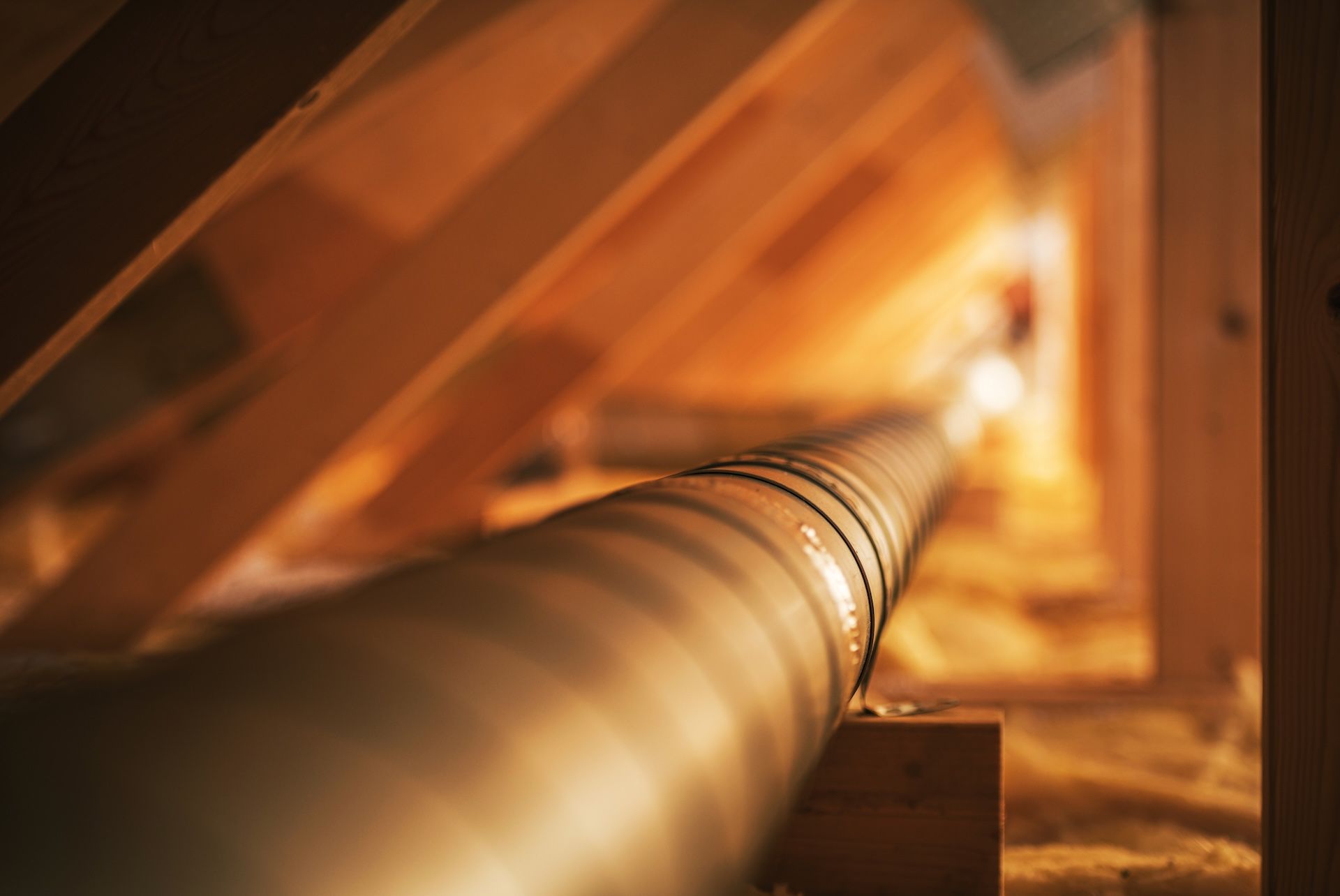
Attic air sealing is the process of identifying and closing gaps, cracks, and openings that allow air to move between your living space and attic.
Even small openings can add up to significant energy loss over time.
Common air leak locations include:
- Plumbing penetrations
- Electrical wiring openings
- Recessed lighting fixtures
- Exhaust fan housings
- Attic access doors
- HVAC penetrations
- Top wall plates
When these openings are left unsealed, conditioned air from your home escapes into the attic while hot attic air enters your living space.
During summer, this means your air conditioner works harder to keep your home cool. During winter, heated air escapes through the same openings.
Signs Your Home May Need Air Sealing
You may benefit from attic air sealing if you notice:
- Drafts throughout the home
- Uneven temperatures between rooms
- High utility bills
- Excessive dust accumulation
- Hot upstairs rooms during summer
- Cold spots during winter
Many homeowners are surprised to learn that air leakage can account for a significant portion of their home's energy loss.
What Is Attic Insulation?
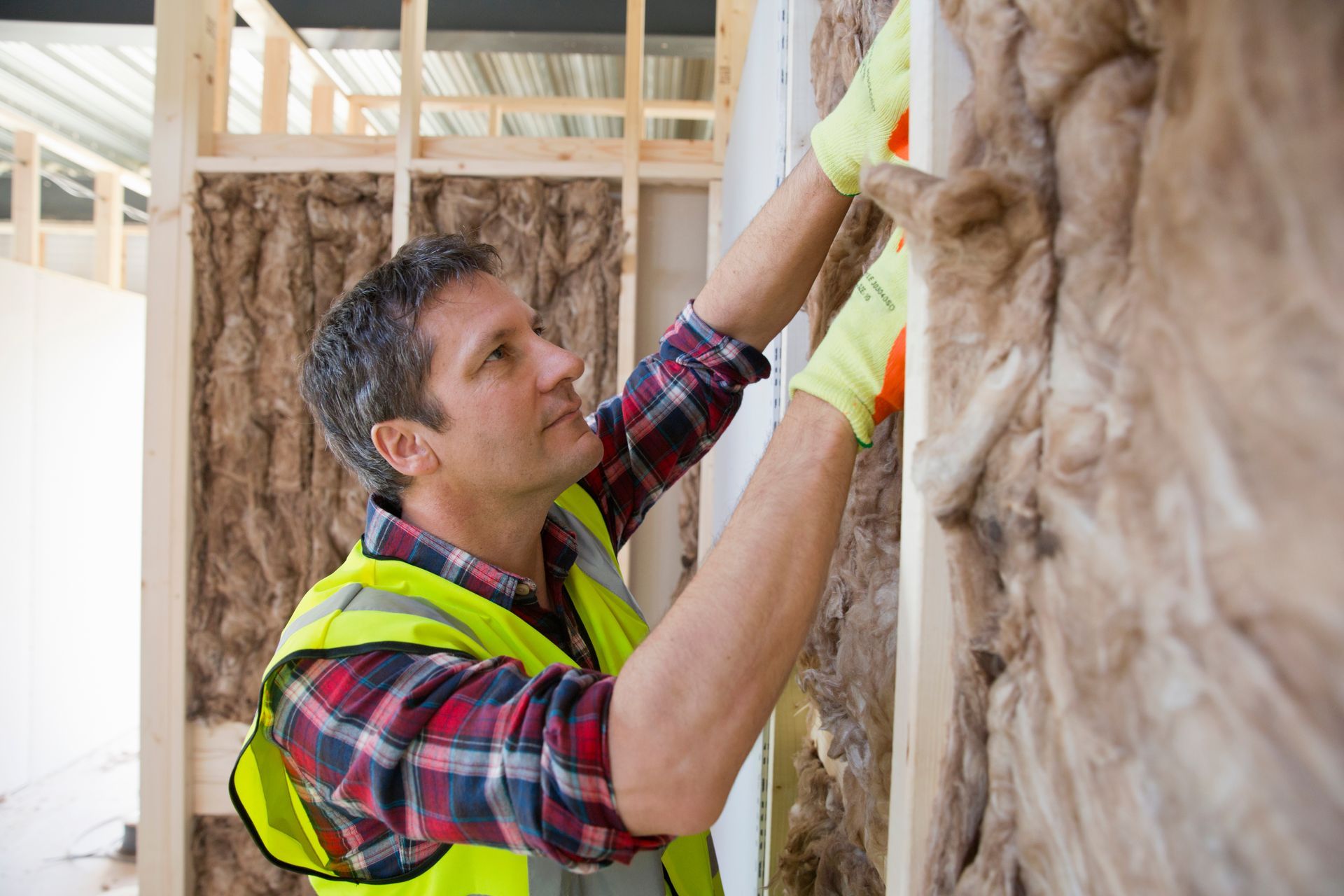
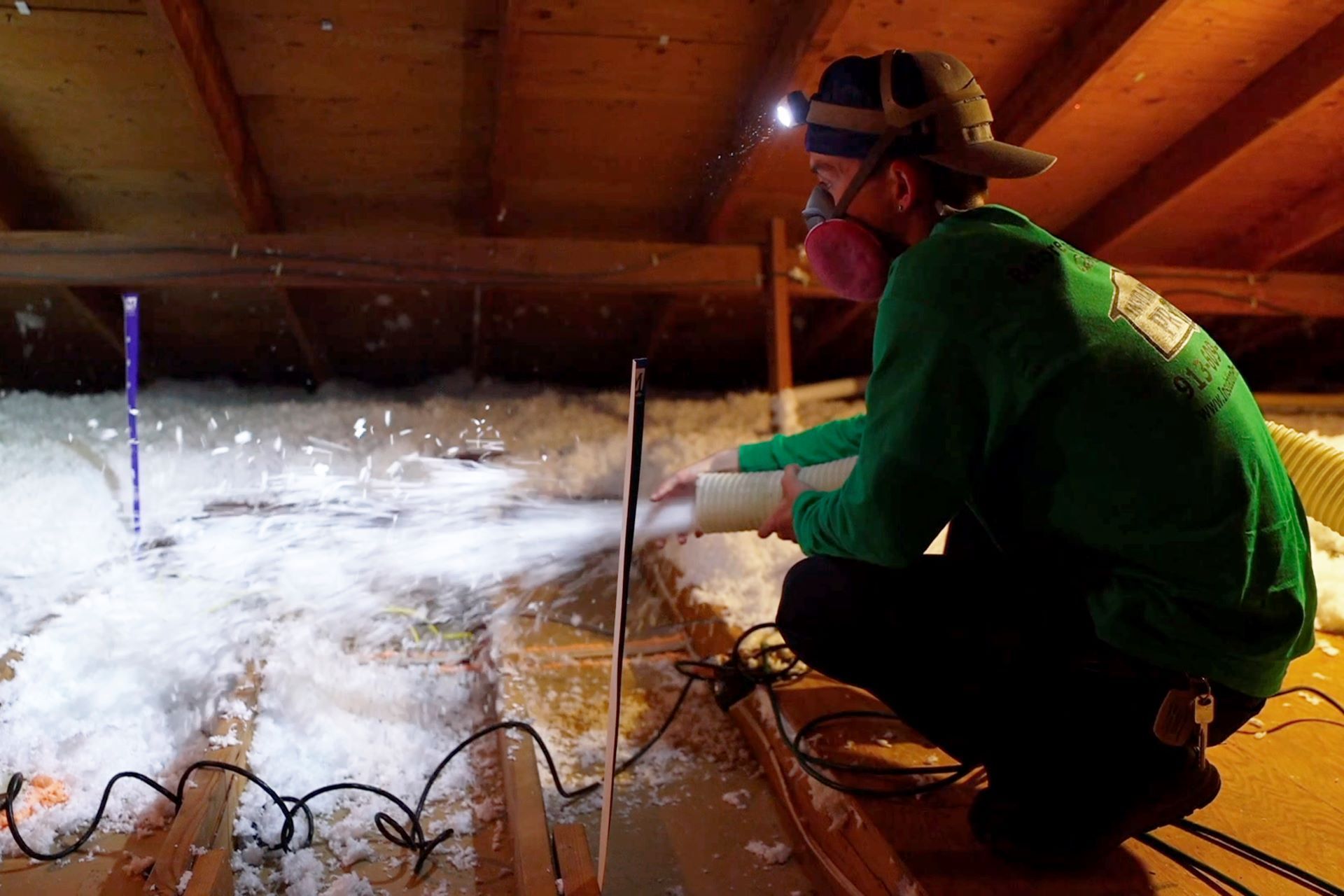
Attic insulation is the material installed between your living space and attic to reduce heat transfer.
Unlike air sealing, which blocks airflow, insulation slows the movement of heat.
Think of insulation as a thermal blanket that helps keep your home comfortable year-round.
Common insulation materials include:
- Fiberglass insulation
- Cellulose insulation
- Spray foam insulation
- Mineral wool insulation
At Insulation Pros, we install several insulation types depending on the home's needs and performance goals. As a veteran-owned and family-operated insulation contractor, we help homeowners choose solutions that improve comfort and energy efficiency.
Signs Your Home May Need More Insulation
Common indicators include:
- High cooling costs during summer
- Rising heating bills during winter
- Rooms that are difficult to keep comfortable
- Older insulation that has settled
- Noticeable temperature fluctuations
- Excessive attic heat
When insulation becomes compressed, damaged, or outdated, it loses effectiveness and allows more heat transfer between the attic and living space.
Air Sealing vs Insulation: What's the Biggest Difference?
Many homeowners assume insulation alone will solve comfort problems. While insulation is important, it cannot stop air movement.
Imagine wearing a heavy winter coat with the zipper completely open.
The coat still provides insulation, but cold air can move freely through the opening.
Your attic works the same way.
If air leaks are present, even high-quality insulation cannot perform at its full potential.
Air Sealing
Air sealing helps:
- Stop conditioned air from escaping
- Reduce drafts
- Improve indoor comfort
- Prevent hot attic air from entering the home
- Increase insulation effectiveness
Insulation
Insulation helps:
- Reduce heat transfer
- Maintain indoor temperatures
- Improve HVAC efficiency
- Lower energy consumption
- Enhance year-round comfort
Both systems serve different purposes, but they work together to improve your home's overall performance.
Which Should Be Done First?
In most cases, air sealing should be completed before adding insulation.
Once insulation is installed, it becomes more difficult to locate and access many of the openings that allow air leakage.
Professional insulation contractors typically recommend:
- Identify air leaks
- Seal penetrations and gaps
- Evaluate existing insulation
- Add or upgrade insulation as needed
This approach allows the insulation to perform more effectively and provides better long-term results.
Why Homeowners Often Need Both
Many homes have both insulation deficiencies and air leakage issues.
For example, a homeowner may have attic insulation that meets recommended levels but still experience discomfort because air is leaking through attic penetrations.
Likewise, sealing air leaks without sufficient insulation may still allow excessive heat transfer from the attic.
Combining both improvements often provides:
- More consistent indoor temperatures
- Lower utility bills
- Improved indoor comfort
- Reduced HVAC workload
- Better year-round energy efficiency
Can Air Sealing Lower Energy Bills?
Yes.
When conditioned air escapes through attic leaks, your HVAC system must run longer to maintain desired temperatures.
Reducing air leakage helps retain cooled or heated air inside your home, which can improve system efficiency and reduce energy consumption.
While savings vary by home, many homeowners notice improved comfort almost immediately after air sealing and insulation upgrades.
How Do You Know What Your Home Needs?
Every home is different.
Factors that influence performance include:
- Home age
- Existing insulation levels
- Attic design
- Ventilation conditions
- HVAC system efficiency
- Air leakage levels
Rather than guessing, a professional energy assessment can identify the specific issues affecting your home's comfort and efficiency.
Insulation Pros offers energy audits that help homeowners understand where energy is being lost and which improvements may provide the greatest benefit. Internal evaluations often uncover hidden air leaks and insulation deficiencies that are difficult to identify without professional equipment.
Get Expert Guidance From Insulation Pros
Kansas City homes experience both hot summers and cold winters, making attic performance especially important.
When air leaks and insulation deficiencies are left unaddressed, homeowners often experience:
- Hot upstairs rooms
- Drafty living spaces
- Higher utility costs
- Excessive HVAC wear
- Inconsistent indoor temperatures
Improving attic performance can help create a more comfortable home while supporting better energy efficiency throughout the year.
If you're unsure whether your home needs attic air sealing, additional insulation, or both, a professional assessment can provide clear answers.
Insulation Pros provides attic insulation,
energy audits, air duct sealing,
spray foam insulation, and other energy-efficiency solutions throughout the Kansas City area. We evaluate each home individually and recommend solutions based on your goals, comfort concerns, and existing conditions.
Contact us today to learn how attic air sealing and insulation can help improve your home's comfort and efficiency, or
schedule a consultation!
Book a Service Today
Recent Posts

Owned
Veteran Owned and Family Operated
Team
Experienced Team at Insulation Pros
Free Quote
Our team offers free estimates
Service
#1 Customer Rated in Kansas City